Short and Fast Contractions
Table of Contents
What this move is
Plain-language subtitle: quick pull-and-release basics.
These are the foundation drills of the program. Both exercises use the same core action: a strong inward contraction of the vaginal canal, often cued in the PDF as if you are trying to hold in your pee.
Short Contractionasks for a strong squeeze, a short hold, and a full release.Fast Contractionasks for the same squeeze, but without the hold.
If you only learn one cue well at the beginning, let it be this one.
What it trains
- basic inward lift and shortening of the canal
- quick activation
- clean release
- learning how the same action feels in different positions
What it should feel like
The sensation should feel more like a pull inward and upward than a push downward. The PDF compares it to a "shortening" of the vaginal canal. If you are new, that feeling may be subtle.
You may also notice nearby muscles trying to help. That is common at first. The goal is gradual refinement, not instant perfect isolation.
Step-by-step instructions
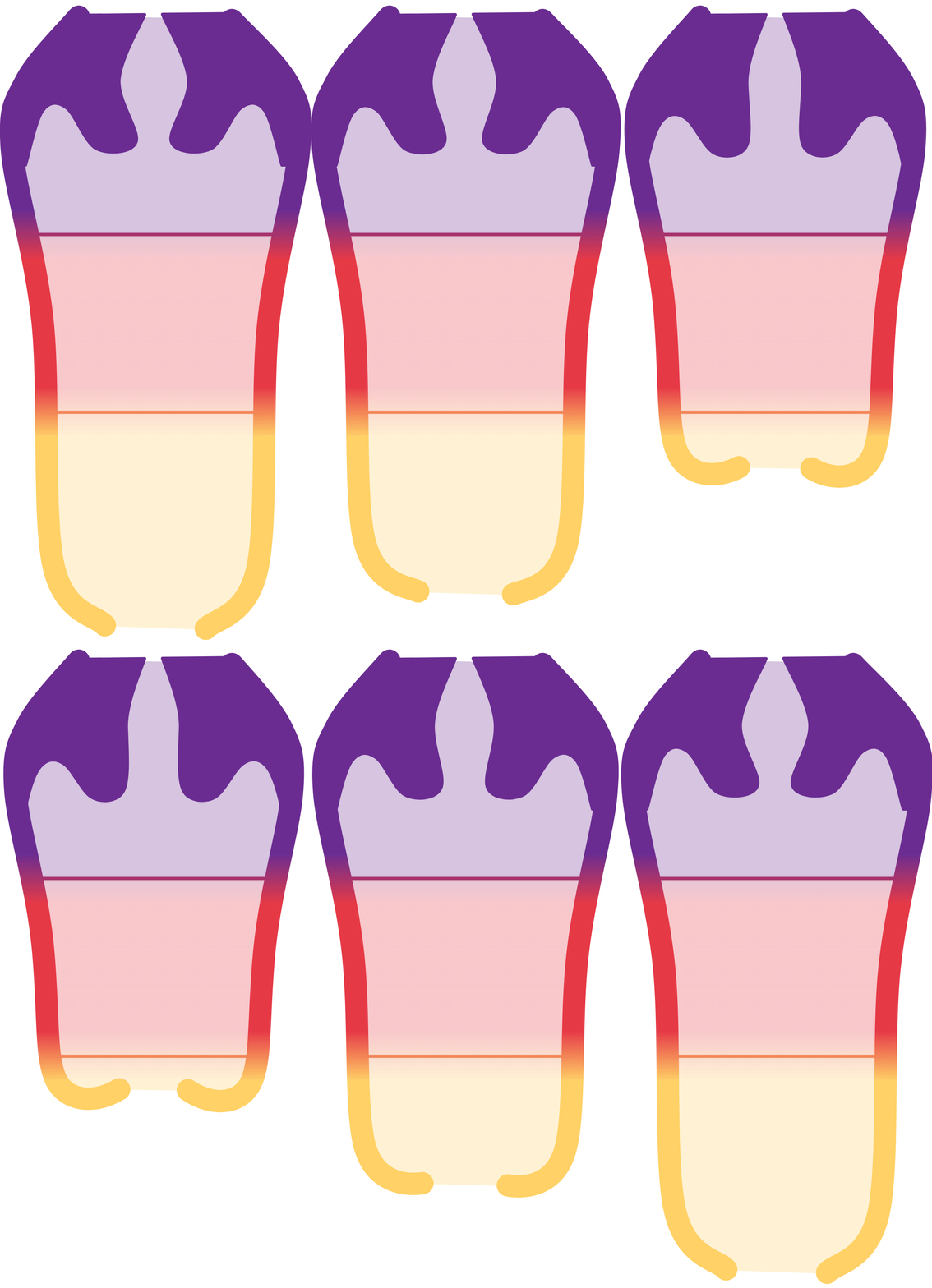
Short Contraction
- Contract your vaginal canal as strongly as you can, using the "hold in your pee" cue.
- Hold the contraction for 3 seconds.
- Release fully.
- Repeat 50 times.
Fast Contraction
- Contract your vaginal canal with the same inward pull.
- Relax immediately.
- Repeat 50 times as quickly as you can without turning the rep into a vague flutter.
Sets, reps, positions, and weekday placement
Weekday placement: first exercise on Mondays.
| Position | Short Contractions | Fast Contractions |
|---|---|---|
| Standing | 50 | 50 |
| Sitting | 50 | 50 |
| Laying down | 50 | 50 |
| In all fours | 50 | 50 |
Common beginner mistakes
- squeezing the glutes harder than the pelvic floor
- holding your breath through every rep
- turning fast reps into tiny half-effort twitches
- pushing down instead of pulling in
- stopping the release halfway because you are rushing the next rep
GIF demo slot
Primary GIF: out/contract_morph.gif
Optional comparison slot: use a held contraction visual later if you want to show the difference between a short rep and a sustained rep.
Figure/source note from the PDF
Source: PDF pages 1-2.
Figure labels: A-C show the basic short contraction sequence, followed by the schedule page for Monday.
Related exercises
When to pause, scale down, or stop
Scale down if:
- 50 reps turns into sloppy guesswork
- you cannot tell the difference between a contraction and a push
- one position feels dramatically harder than the others
In practice, scaling down can mean doing fewer reps, picking fewer positions, or resting between position changes.
Stop and reset if the exercise creates pain, pelvic heaviness, or bladder irritation.